POROSOME.AI
Porosome.AI https://www.porosomeai.com
AI reveals binding interactions between porosome proteins SNAP-25, Syntaxin-1, and ATP1A. Amyloid beta binding to the extracellular domain of ATP1A3 negatively impacts the binding interactions between ATP1A3-SNAP-25-Syntaxin-1A in the cytosolic domain within the neuronal porosome complex.
Cellular nanomachines such as the ribosome, the nuclear pore, or the porosome, are protein complexes that have evolved over a billion years to perform life-sustaining cellular functions with great precision and efficiency, yet little is known regarding their assembly from among the millions of proteins in a cell. Understanding the molecular assembly and structure of these nanomachines will provide critical information in the design and development of novel drugs and therapeutic approaches for diseases resulting from their malfunction. Among cellular nanomachines, the cell secretory portal -the ‘porosome’ nanomachine involved in cell-cell communication, for neurotransmission to enable thought, perception, and memory; for the secretion of digestive enzymes to digest food; for release of hormones such as insulin to maintain glucose homeostasis, or the secretion of antibodies for protection from pathogens, is of great scientific and clinical significance.
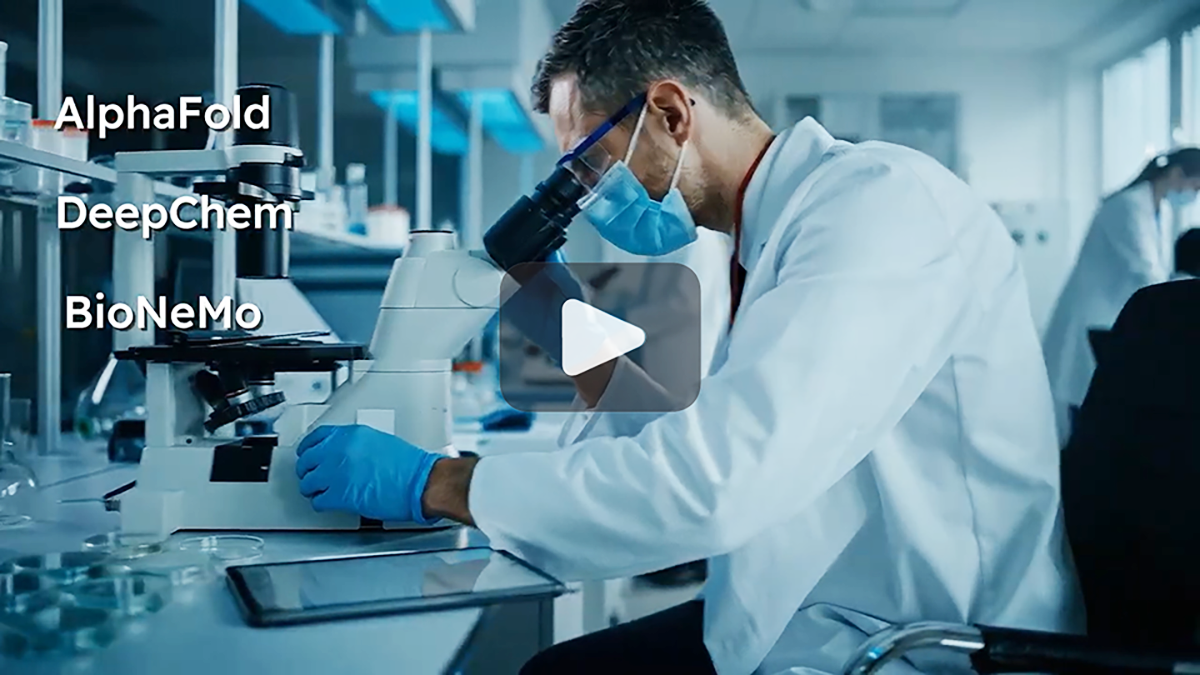
Our objective is to help elucidate the atomic structure and assembly of the porosome nanomachine to enable new drug development and targeted therapies. Although the porosome is present in all cells, the 15 nm 30-protein neuronal porosome, used for neurotransmitter release and neurotransmission, is the most abundant and well-characterized of porosomes, making it an ideal model system for the proposed study. Recent advances in new and cutting-edge tools and technologies available to Porosome Therapeutics, such as cryo-electron microscopy (cryo-EM) and artificial intelligence (AI) have made it possible for this membrane nanomachine to be explored at the near atomic level, and its assembly determined.
Furthermore, membrane proteins are crucial drug targets, with over 60% of approved drugs controlling cell communication, but historically hard to study due to their hydrophobic nature, requiring detergents for extraction and stabilization. Advances in structural biology, especially cryo-EM and computational methods (AI/ML), are rapidly solving these structures, revealing dynamic states and enabling structure-based drug design for specific targets like GPCRs, ion channels, and transporters, accelerating discovery for diseases from cancer to neurological disorders.
Therefore, the proposed work is transformative, enabling both the molecular-level understanding of the porosome nanomachine and it’s use as a platform for the design and development of new and novel drugs and therapies.
Porosome.AI https://www.porosomeai.com
AI reveals binding interactions between porosome proteins SNAP-25, Syntaxin-1, and ATP1A. Amyloid beta binding to the extracellular domain of ATP1A3 negatively impacts the binding interactions between ATP1A3-SNAP-25-Syntaxin-1A in the cytosolic domain within the neuronal porosome complex.
Cellular nanomachines such as the ribosome, the nuclear pore, or the porosome, are protein complexes that have evolved over a billion years to perform life-sustaining cellular functions with great precision and efficiency, yet little is known regarding their assembly from among the millions of proteins in a cell. Understanding the molecular assembly and structure of these nanomachines will provide critical information in the design and development of novel drugs and therapeutic approaches for diseases resulting from their malfunction. Among cellular nanomachines, the cell secretory portal -the ‘porosome’ nanomachine involved in cell-cell communication, for neurotransmission to enable thought, perception, and memory; for the secretion of digestive enzymes to digest food; for release of hormones such as insulin to maintain glucose homeostasis, or the secretion of antibodies for protection from pathogens, is of great scientific and clinical significance.
Our objective is to help elucidate the atomic structure and assembly of the porosome nanomachine to enable new drug development and targeted therapies. Although the porosome is present in all cells, the 15 nm 30-protein neuronal porosome, used for neurotransmitter release and neurotransmission, is the most abundant and well-characterized of porosomes, making it an ideal model system for the proposed study. Recent advances in new and cutting-edge tools and technologies available to Porosome Therapeutics, such as cryo-electron microscopy (cryo-EM) and artificial intelligence (AI) have made it possible for this membrane nanomachine to be explored at the near atomic level, and its assembly determined.
Furthermore, membrane proteins are crucial drug targets, with over 60% of approved drugs controlling cell communication, but historically hard to study due to their hydrophobic nature, requiring detergents for extraction and stabilization. Advances in structural biology, especially cryo-EM and computational methods (AI/ML), are rapidly solving these structures, revealing dynamic states and enabling structure-based drug design for specific targets like GPCRs, ion channels, and transporters, accelerating discovery for diseases from cancer to neurological disorders.
Therefore, the proposed work is transformative, enabling both the molecular-level understanding of the porosome nanomachine and it’s use as a platform for the design and development of new and novel drugs and therapies.